Downham Upholstery Cleaning for Local Businesses and Shops
If you run a shop, cafe, salon, office reception, showroom, or other customer-facing premises, upholstery does a lot more work than people realise. It takes daily knocks, catches dust, absorbs odours, and quietly shapes the first impression your customers get when they sit down. That is why Downham upholstery cleaning for local businesses and shops is more than a tidy-up service; it is part of how you protect your brand, your comfort, and your standards. Truth be told, a clean chair can make a room feel calmer before a customer has even ordered, browsed, or booked.
This guide explains what commercial upholstery cleaning involves, how it works, when it makes sense, what to avoid, and how local businesses can plan it without disrupting trading. You will also find a practical checklist, a comparison of cleaning methods, and a few real-world considerations that are easy to miss when you are busy doing everything else.
Table of Contents
- Why Downham upholstery cleaning for local businesses and shops matters
- How Downham upholstery cleaning for local businesses and shops works
- Key benefits and practical advantages
- Who this is for and when it makes sense
- Step-by-step guidance
- Expert tips for better results
- Common mistakes to avoid
- Tools, resources and recommendations
- Law, compliance, standards, or best practice
- Options, methods, or comparison table
- Case study or real-world example
- Practical checklist
- Conclusion
- Frequently asked questions
Why Downham Upholstery Cleaning for Local Businesses and Shops Matters
Commercial upholstery gets messy in ways that are easy to underestimate. A waiting bench in a salon, a dining chair in a cafe, or a fabric armchair in a boutique can look fine from a distance and still hold grime close to the fibres. The wear is usually gradual: a bit of beverage splash here, a dust build-up there, then the room starts to look tired even if the rest of the space is spotless.
For local businesses, presentation matters because it affects trust. People may not consciously notice that the seating has been professionally cleaned, but they do notice when it looks dull, marked, or slightly musty. And let's face it, customers are more likely to relax when the space feels cared for.
There is also a practical side. Fabric that holds onto oils, food residue, or general soil can age faster. Regular upholstery maintenance helps businesses extend the life of chairs, sofas, booths, and soft seating, which is often far cheaper than replacing them early.
In many shops and service businesses, upholstery is part of the customer journey. The chair at the till, the bench in the fitting room, the stool near the window display, or the waiting seat by the entrance all send a message. Clean upholstery says your business pays attention to detail. Messy upholstery says the opposite. Not ideal.
If your business already invests in floor care, it makes sense to treat fabric seating with the same level of care. You can learn more about broader commercial upkeep through commercial carpet cleaning services and the main upholstery cleaning offering, which often sit alongside each other in a full premises cleaning plan.
How Downham Upholstery Cleaning for Local Businesses and Shops Works
Professional upholstery cleaning is usually a staged process rather than a single treatment. The exact method depends on the fabric type, the condition of the item, the level of soiling, and how quickly the furniture needs to be back in use. The goal is not simply to make the fabric look better for a day; it is to clean safely without damaging fibres, finishes, or drying times.
In most commercial settings, the process begins with inspection. A cleaner looks at the upholstery construction, identifies material types where possible, checks for stains, and tests for colour fastness in an inconspicuous area. That bit matters more than people think. A method that works beautifully on one fabric can be a poor choice on another.
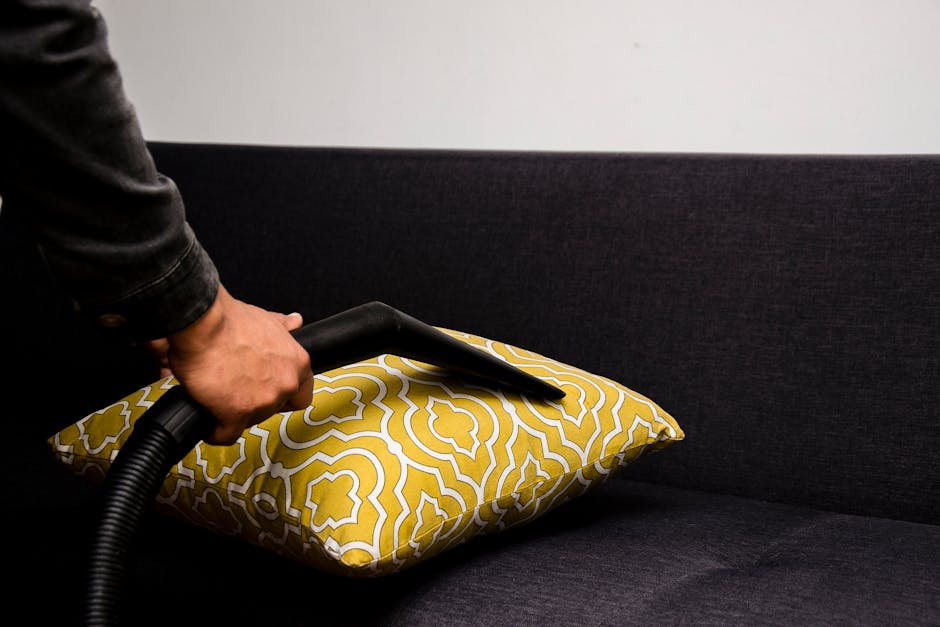
After inspection, the next step is usually vacuuming and pre-treatment. Loose debris, crumbs, dust, and dry soil are removed first. Then targeted stain treatment may be applied to problem areas such as armrests, headrests, seat fronts, or spots around customer contact points. These are the places that pick up the most wear, especially in busy spaces.
Depending on the fabric and soil level, cleaning may involve hot water extraction, low-moisture cleaning, or specialist stain removal. Steam-based approaches are often associated with deeper fabric refreshes, but not every textile should be treated the same way. If you are also considering floor care as part of the same visit, the broader steam carpet cleaning service can be a useful companion service where appropriate.
Finally, drying and post-clean checks are important. Businesses often need advice on ventilation, how long seats should remain unused, and whether any faint marks are likely to fade further as the fabric dries. A good service should explain that plainly rather than leaving you guessing.
Key Benefits and Practical Advantages
There is a neat list of benefits here, but the real value is in how they stack up in day-to-day trading. A clean seating area supports your brand, your comfort, and your maintenance budget all at once.
- Better first impressions: Customers notice fresh, well-kept seating immediately, even if they do not mention it.
- Improved hygiene: Routine cleaning helps remove spills, dust, and general contamination that builds up over time.
- Longer furniture life: Regular care can slow visible wear and reduce the need for early replacement.
- Odour control: Upholstery can trap smells from food, foot traffic, damp air, pets, or everyday use.
- Better staff morale: Staff spend all day in the same environment. Clean, tidy furnishings make a difference.
- Less disruption than replacement: In many cases, cleaning is faster, cheaper, and far less hassle than buying new items.
There is also a subtle commercial upside. When seating looks cared for, the whole premises feels more premium. A small independent shop with a neat customer chair can feel more trustworthy than a larger place with shabby furniture. Strange but true.
For businesses working on budgets, it is worth comparing upholstery care against replacement costs over a year or two. Sometimes the cheapest option is not actually replacing. Sometimes it is getting the fabric properly cleaned, protected, and maintained.
Who This Is For and When It Makes Sense
This service suits any local business that uses upholstered furniture in customer areas or staff spaces. The most obvious examples are cafes, restaurants, hair and beauty salons, barber shops, waiting rooms, medical-adjacent clinics, estate agents, retail shops with seating, and offices with visitor chairs.
It also makes sense for premises that only have a few key pieces. A boutique might only have two armchairs and a small bench, but if those pieces are visible from the door, they still matter. In smaller spaces, one grubby chair can drag down the look of the whole room. There is nowhere for it to hide.
Timing depends on usage. A busy coffee shop may need more frequent attention than a low-traffic consultancy office. Shops near busy roads, or premises with open doors during trading hours, may also find dust and grime accumulate faster than expected. The same goes for businesses with heavy footfall, takeaway packaging, or textiles that absorb odours.
It is particularly sensible to book upholstery cleaning when you notice:
- visible patchiness or dullness on seat fabric
- stains around arms, headrests, or seat edges
- an odour that lingers after cleaning the room itself
- customer-facing furniture looking older than it really is
- staff complaints about dusty or tired seating
- a seasonal refresh before a busy trading period
If your business also needs other soft furnishing care, it may be sensible to coordinate with sofa cleaning, curtain cleaning, or rug cleaning so the whole interior feels consistent, not half-done.
Step-by-Step Guidance
Here is a practical way to approach upholstery cleaning for a shop or local business without overcomplicating it. Simple wins, usually.
- Walk the premises as a customer would. Look at seats in daylight if possible. Notice marks, flattening, odour, and any areas that catch the eye first.
- Identify the furniture type and fabric. Leather, synthetic fabric, velvet, wool blends, and commercial performance fabrics all need different handling.
- Prioritise the most visible and most used items. Reception chairs, waiting benches, and front-of-house seating usually matter most.
- Decide whether you need a light refresh or a deeper clean. Light maintenance is not the same as stain recovery.
- Ask about drying time and access. If the shop trades all day, the cleaner may need to work before opening or after closing.
- Plan around business rhythm. For some shops, Tuesday morning is quiet; for others, Sunday evening is the only sensible slot.
- Request clear pricing and expectations. If you need a quote, the pricing and quotes page is a useful place to start.
- Prepare the area. Move small items, clear stock from nearby surfaces, and make access easy.
- Let the cleaning process do its job. Resist the temptation to use the upholstery too soon, even if it looks dry on the surface.
- Build a maintenance cycle. One-off cleaning helps, but a planned schedule keeps the results longer.
A useful rule of thumb: if the furniture is part of the customer-facing experience, it should be inspected on a schedule, not only when it starts to look embarrassing. That sounds obvious. Yet so many businesses wait too long.
Expert Tips for Better Results
Commercial upholstery tends to respond best when cleaning is paired with good daily habits. A professional clean is the reset; the routine in between is what protects the result.
- Vacuum upholstered items regularly. Dry soil is abrasive. Get rid of it before it settles into the fibres.
- Act on spills quickly. Blot, don't rub. Rubbing often pushes the stain deeper or distorts the pile.
- Keep a fabric log. Note which chairs or sofas have had stain treatment, especially in busy premises with multiple seats.
- Ask for fabric-specific advice. A good cleaner should explain what works for your upholstery, not hand out a one-size-fits-all answer.
- Rotate seating where possible. In a waiting area, some pieces take the heaviest use. Swapping positions can spread wear more evenly.
- Use entrance mats and housekeeping routines. Less grit walked in means less soil transferred to soft furnishings.
One small but useful point: if you run a food business, fabric can hold onto cooking smells more than you expect. Not always in an obvious way. It is a faint background note that customers register without really thinking about it. Fresh upholstery helps cut that impression down.
Another tip is to avoid over-wetting. That is a common trap with do-it-yourself cleaning. More water does not automatically mean cleaner fabric. Sometimes it just means longer drying, possible browning, or awkward water marks that need fixing later. Nobody needs that on a Friday afternoon.
Common Mistakes to Avoid
A lot of upholstery problems in businesses are not caused by dirt alone. They are caused by well-meaning mistakes that make the job harder.
- Using the wrong cleaner: Strong chemicals can bleach, streak, or damage fabrics.
- Skipping fabric testing: Testing matters, especially on coloured or delicate materials.
- Cleaning only the visible stain: Spot cleaning one patch can leave rings or uneven colour.
- Letting stains sit too long: The longer a spill stays, the harder it can be to remove cleanly.
- Ignoring odour sources: If the smell comes from underlying contamination, the surface clean may not be enough.
- Not planning drying time: Furniture that goes back into use too early can pick up new dirt or leave customers with damp seating.
- Assuming all upholstery is the same: It really is not. Different fibres and fills behave differently.
One slightly awkward reality is that some shop fittings are bought quickly and then cleaned even more quickly. If you do not know what the fabric is, say so. A reputable provider would rather inspect properly than guess and hope for the best.
And yes, there is such a thing as overconfidence with a bottle of spray cleaner. It sneaks up on people.
Tools, Resources and Recommendations
You do not need a warehouse full of equipment to keep business upholstery in decent condition, but the right tools and routines help a lot.
| Need | Useful approach | Why it helps |
|---|---|---|
| Routine upkeep | High-filtration vacuuming | Removes loose dust and grit before it embeds into fibres |
| Visible soiling | Fabric-safe pre-treatment | Helps loosen marks without flooding the area |
| Deep cleaning | Professional upholstery treatment | Matches method to material and condition |
| Better workflow | Pre-arranged access and furniture notes | Reduces disruption and speeds up the visit |
| Broader interior care | Combined soft furnishing maintenance | Keeps upholstery, carpets, and seating aligned in appearance |
For businesses seeking a broader refresh, upholstery care often pairs well with floor maintenance and stain treatment. The service pages for carpet cleaning and stain removal are useful if the issue is not limited to seating alone.
It can also be worth thinking about hidden wear points. Chair backs near doorways, customer benches near coffee counters, and fabric stools in waiting areas often show the first signs of age. Those are good places to focus your budget, because they change how the whole room reads.
Law, Compliance, Standards, or Best Practice
Upholstery cleaning for businesses is not usually about a single legal rule; it is more about sensible duty of care, hygiene, and general operational best practice. That said, businesses still need to think carefully about safety, access, fire risk, cleaning chemicals, and how cleaning fits around customer welfare and staff working conditions.
In practical terms, that means choosing a service that works safely, communicates clearly, and understands commercial premises. If a provider is moving equipment through a shop, around stock, or near customers, they should be organised and insured. They should also know how to minimise slips, interruptions, and any risk from wet flooring or electrical equipment nearby.
For many premises, the key standards are not written in one dramatic sentence. They show up in the basics: using suitable methods for the fabric, keeping products controlled, managing waste carefully, and leaving the area safe and usable. If you want to understand how a provider handles site safety, the health and safety policy and insurance and safety information are sensible places to review before booking.
It is also normal for businesses to ask about payment security, service terms, and complaint handling. That is not being fussy. That is just good procurement. A professional company should have clear information available on payment and security, terms and conditions, and complaints procedure.
If your business cares about waste reduction and responsible practice, the recycling and sustainability approach can also be part of your decision. Small operational details matter more than they seem to at first glance.
Options, Methods, or Comparison Table
Not every upholstery clean needs the same level of treatment. The best method depends on the fibre, the stain, the amount of use, and how fast you need the furniture back in service.
| Method | Best for | Pros | Watch-outs |
|---|---|---|---|
| Light maintenance clean | Low-to-moderate soil and routine freshening | Quick, lower disruption, good for regular upkeep | May not fully remove older stains or deep odours |
| Targeted stain treatment | Specific marks on otherwise decent upholstery | Focuses on problem spots without over-cleaning the whole piece | Some stains are permanent or only partly improvable |
| Deep wet extraction | Heavier soiling and more embedded grime | Thorough clean and strong refresh potential | Needs drying time and careful fabric matching |
| Low-moisture cleaning | Premises needing faster turnaround | Reduced downtime, often useful for trading spaces | May not suit every fabric or every level of soiling |
The right choice is usually the one that balances fabric safety, result quality, and operational convenience. If a cafe needs chairs ready before lunch, low-moisture options may make sense. If a showroom chair has heavy staining from repeat use, a deeper approach may be better. There is no prize for choosing the fanciest method. The best method is the one that suits the job.
Case Study or Real-World Example
Picture a small independent shop with two velvet chairs near the till, a fabric bench in the waiting area, and a few upholstered display stools. Nothing dramatic. But after a busy few months, the seats start to look flat and a little grey around the edges. The shopkeeper notices the change only when a customer pauses before sitting down. That tiny hesitation is usually the clue.
In a case like this, the most sensible approach is usually not to replace everything. First, inspect the fabric and identify which items are salvageable. Then prioritise the most visible pieces and treat the heavier marks separately. If there is a smell from general use or spilled drinks, an odour-aware treatment may be needed as well.
The interesting part is what happens after the clean. The room feels brighter. Staff stop apologising for the chairs. Customers sit without hesitation. The whole front-of-house area feels more composed, even though no major redesign took place. That is the quiet power of fabric care.
If the same business also had carpets showing wear around the entrance, combining upholstery care with commercial carpet cleaning would usually make sense. It keeps the premises aligned visually, which matters more than people admit. No point having sparkling chairs next to a tired floor.
Practical Checklist
Use this before booking or scheduling a visit. It saves time and usually leads to a better result.
- Identify which pieces need cleaning and which ones are most visible to customers.
- Note the fabric type if you know it, or at least describe the item honestly.
- Check for stains, odours, or wear around arms, seat fronts, and backrests.
- Decide what matters most: speed, stain removal, odour control, or a general refresh.
- Plan access around trading hours, deliveries, and customer flow.
- Ask about drying time and when the seating can be used again.
- Review the provider's safety, insurance, and service terms.
- Prepare nearby stock, displays, or loose items before the appointment.
- Set a follow-up schedule so the upholstery does not slide back into the same state.
Practical takeaway: the best upholstery cleaning plan is the one that fits your trading rhythm, protects the fabric, and keeps the customer area looking cared for without creating avoidable downtime.
Get a free quote today and see how much you can save.
Conclusion
Downham upholstery cleaning for local businesses and shops is about more than appearances, although appearances do matter. It is about keeping customer spaces fresh, preserving your furniture, and making everyday business feel a little more polished. A well-maintained chair or bench can quietly improve the whole atmosphere of a premises, and that is no small thing.
If you are weighing up whether to clean, repair, or replace, start with the items customers see and use most. That gives you the biggest return for your effort. From there, build a sensible maintenance routine, keep an eye on fabrics, and choose methods that match the material rather than forcing a one-size-fits-all solution.
For businesses that want to keep their premises looking consistent and cared for, a good upholstery clean is one of those jobs that pays back in ways you notice every day. Sometimes the smallest details are the ones customers feel first, even if they never say a word.
Frequently Asked Questions
How often should a local shop book upholstery cleaning?
It depends on footfall, fabric type, and how visible the furniture is. Busy customer-facing spaces often need more frequent attention than quiet offices, especially if food, drink, or heavy daily use is involved.
Can upholstery cleaning be done without closing the business?
Often, yes. Many jobs can be planned before opening, after closing, or during quieter trading periods. The important part is agreeing access and drying time in advance so customers are not affected.
What types of business furniture can be cleaned?
Common examples include waiting-room chairs, benches, sofas, stools, reception seating, salon chairs, and upholstered display furniture. The exact method depends on the fabric and condition of each item.
Will upholstery cleaning remove all stains?
Not always. Some stains are old, set in, or made worse by previous DIY attempts. A professional clean can improve many marks significantly, but no one should promise miracles on every fabric.
Is steam cleaning safe for all upholstery?
No, not automatically. Steam or hot-water extraction can be effective on the right fabric, but delicate materials may need a lower-moisture approach or a different treatment altogether.
How long does commercial upholstery take to dry?
Drying time varies with the method used, air circulation, humidity, and fabric thickness. A good cleaner should give you a realistic expectation for your specific furniture, rather than a guess.
What should I do before the cleaner arrives?
Clear access around the furniture, move fragile items, and make sure the team can reach the work area safely. If you have stock or displays near seating, it helps to shift them out of the way first.
Can upholstery cleaning help with odours in a shop or cafe?
Yes, it can help a lot if the odour is coming from the fabric itself. That said, the source matters. If the smell is coming from another issue in the room, the upholstery may only be part of the fix.
Is it worth cleaning old furniture, or should I replace it?
If the frame is sound and the fabric is still serviceable, cleaning is often the sensible first step. Replacement makes more sense when the upholstery is badly damaged, worn through, or no longer fits the business image.
How do I know which cleaning method is right for my seating?
Start with the fabric, the level of soiling, and how quickly you need the furniture back in use. A proper inspection should guide the method. If anything feels unclear, ask for a plain-English explanation before work begins.
What if the upholstery has a mix of stains and general dullness?
That is very common. In those cases, a combination approach is usually best: pre-treatment for stains, a broader clean for the whole item, and a final check once it dries. It is rarely just one thing.
Where can I find more information about the company and service standards?
You can review the company's about us page, along with service and policy information such as privacy policy and accessibility statement if you want a fuller picture before making a decision.
At the end of the day, good upholstery care is about making your business feel looked after. Customers notice that, staff feel it too, and the room just works better when everything is clean, calm, and in its place.